
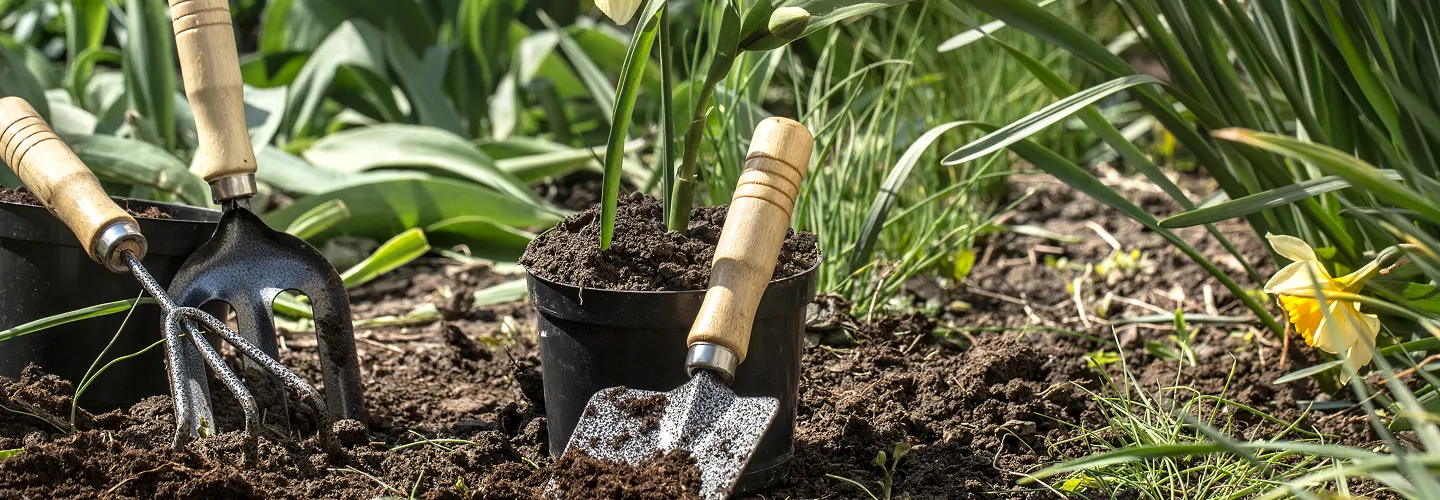
North Gateway Lawn Edging Services
Choose our expert lawn edging to give your yard a polished, professional look that enhances curb appeal and makes maintenance a breeze.
Get a Free QuoteOur North Gateway Landscaping & Yard Care Services
When to Schedule Lawn Edging in North Gateway, Arizona – Seasonal Guide
In North Gateway, Arizona, the timing of lawn edging is crucial for maintaining crisp, healthy borders and maximizing curb appeal. Due to our region’s unique Sonoran Desert climate, the best periods for lawn edging are typically in early spring and late fall. These seasons offer moderate temperatures and reduced drought risk, allowing grass and ornamental borders to recover quickly from edging work. Neighborhoods near the Sonoran Preserve and along North Valley Parkway often experience microclimates—such as increased shade from mature mesquite and palo verde trees or sandy, fast-draining soils—that can influence the ideal schedule for edging.
Local environmental factors play a significant role in determining when to edge your lawn. For example, frost is rare but can occur in the coldest winter months, so it’s best to avoid edging during late December and January. Conversely, the intense summer heat and monsoon rains can stress turf and make precise edging more challenging. Homeowners in communities like Fireside at Norterra or near the North Gateway Community Park should also consider municipal watering restrictions and HOA guidelines when planning their lawn care routines.
Local Factors to Consider for Lawn Edging in North Gateway
- Tree density and shade coverage, especially from native desert species
- Soil type (sandy vs. clay) and drainage characteristics
- Seasonal precipitation patterns and monsoon timing
- Frost dates and risk of cold snaps
- Terrain slope and accessibility
- Municipal or HOA restrictions on landscaping activities
Benefits of Lawn Edging in North Gateway
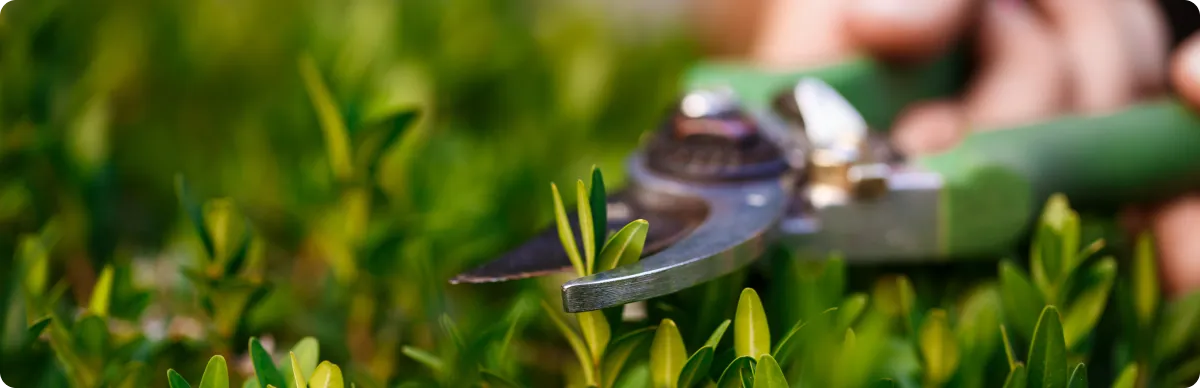
Enhanced Curb Appeal
Weed Growth Prevention
Defined Landscape Borders
Low Maintenance Solutions
Increased Property Value
Professional Installation Expertise
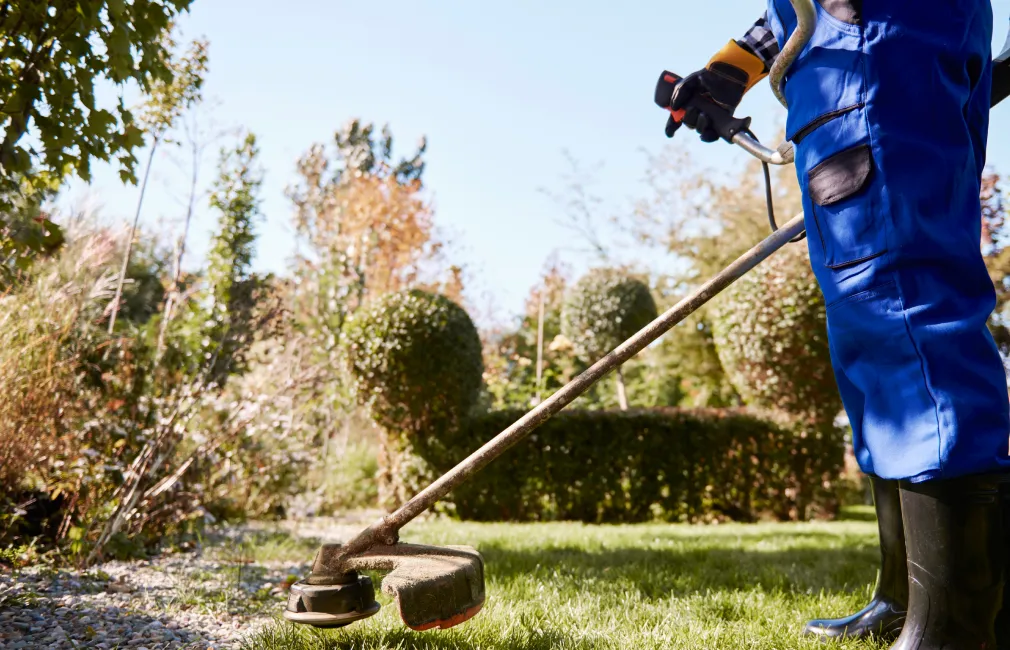
North Gateway Lawn Edging Types

Steel Lawn Edging
-
Plastic Landscape Edging
-
Brick Garden Borders
-
Natural Stone Edging
-
Concrete Curbing
-
Wooden Landscape Borders
-
Rubber Lawn Edging
Our Lawn Edging Process
Site Evaluation
Marking Edges
Cutting the Edge
Debris Removal
Final Inspection
Why Choose North Gateway Landscape Services
-
North Gateway Homeowners Trust Us
-
Reliable Lawn Maintenance
-
Competitive Pricing
-
Professional Team
-
Satisfaction Guarantee
-
Personalized Service
-
Timely Project Completion
Coordinating Lawn Edging Services with North Gateway's Municipal Public Works Programs
Lawn edging in North Gateway—a rapidly developing area within the northern reaches of Phoenix—requires coordination with city infrastructure and public works operations. Because edging generates clippings, soil debris, and organic material along curbs, sidewalks, and driveways, residents and property managers must ensure that waste does not accumulate in street gutters or storm drain inlets. The City of Phoenix Public Works Department oversees right-of-way maintenance and green waste collection procedures that directly affect how edging debris should be managed.
- Sweep or vacuum all edging clippings away from curb inlets and street gutters immediately after service
- Bag or contain organic debris generated by mechanical edging for proper green waste disposal
- Verify current bulk green waste pickup schedules through the city rather than leaving material curbside indefinitely
- Coordinate with Public Works if edging work along public sidewalks or rights-of-way requires temporary access or creates pedestrian obstructions
Property managers overseeing commercial frontage or multi-family parcels should confirm that contracted edging crews follow city debris-handling expectations to avoid code compliance issues.
Phoenix Public Works Department
200 W. Washington St., Phoenix, AZ 85003
Official Website: Phoenix Public Works
How North Gateway's Desert Heat and Alkaline Soils Affect Lawn Edging
North Gateway sits squarely in the low Sonoran Desert, classified within USDA Hardiness Zone 10a, where summer temperatures routinely exceed 110°F and soils trend strongly alkaline. These conditions shape every aspect of lawn edging practice. The predominant soil profile in newer North Gateway subdivisions typically consists of compacted subdivision fill overlying caliche or decomposed granite layers, which can cause mechanical edger blades to dull rapidly or deflect unpredictably.
- Soil hardness: Caliche and compacted fill resist clean blade cuts, requiring sharp steel blades and slower pass speeds to maintain a defined turf edge
- Reflected heat: Concrete curbs, block walls, and decorative pavers radiate stored heat onto adjacent turf margins, accelerating desiccation along edged borders
- Irrigation overspray: Bermudagrass and overseeded winter ryegrass in North Gateway depend heavily on irrigation; edging near spray heads or drip emitters must avoid damaging supply lines buried just below grade
- Monsoon runoff: During July through September monsoon storms, poorly maintained edges along hardscape can channel sheet flow directly into turf root zones or, conversely, direct sediment-laden runoff into storm drains
The University of Arizona Cooperative Extension provides region-specific guidance on turf management practices that complement proper edging maintenance in low-elevation Arizona.
Navigating North Gateway's Stormwater and Property Maintenance Regulations for Lawn Edging
Lawn edging in North Gateway falls under several overlapping regulatory frameworks. The City of Phoenix enforces property maintenance standards that require defined separation between turf areas and hardscape, and the city's participation in the Arizona DEQ Phase II MS4 stormwater program means that landscape debris—including grass clippings and soil displaced by edging—must not enter the municipal storm sewer system. Under the Clean Water Act, sediment and organic material discharged into storm drains can constitute a violation.
- Edging operators should contain all displaced soil and clippings on-site rather than blowing material into streets or drainage channels
- Properties adjacent to washes, retention basins, or flood-control channels should maintain stable turf borders to prevent erosion into these features
- If edging work involves any modification to grade or drainage flow near a public right-of-way, property owners should verify requirements with the City Engineer Department
Phoenix City Engineer Department
200 W. Washington St., Phoenix, AZ 85003
Official Website: Phoenix City Engineer
The Arizona DEQ stormwater program provides additional guidance on best management practices for preventing landscape-related pollutant discharge.
Timing and Methods for Professional Lawn Edging in North Gateway's Climate
Effective lawn edging in North Gateway requires alignment with the region's turf growth cycles and extreme seasonal conditions. Bermudagrass—the dominant warm-season turf throughout the area—enters its most vigorous growth phase from April through September, which is when edging frequency should increase to maintain clean borders. During winter overseeding with perennial ryegrass, edging continues but at reduced intervals as growth slows. The University of Arizona Turfgrass Maintenance Guide outlines seasonal growth patterns that inform appropriate edging schedules.
- Spring through early fall: Edge every one to two weeks during active bermudagrass growth to prevent stolons from creeping over curbs, walkways, and planting bed borders
- Late fall through winter: Reduce edging frequency to match slower ryegrass growth, typically every two to three weeks
- Early morning scheduling: Perform edging before 10:00 a.m. during summer months to reduce heat stress on both turf margins and equipment operators
- Blade depth: Maintain a consistent vertical cut depth of approximately 2–3 inches to sever lateral stolons without undermining irrigation lines or destabilizing hardscape edges
- Post-monsoon inspection: After significant storm events, inspect edged borders for erosion, sediment displacement, or undermined curb joints and re-establish clean lines as needed
Phoenix Water Services Department
200 W. Washington St., Phoenix, AZ 85003
Official Website: Phoenix Water Services
Residents should verify current watering schedules through Phoenix Water Services, as irrigation timing directly affects soil firmness and edging quality.
What Neighborhoods Do We Serve Throughout North Gateway, AZ?
- Fireside at Norterra: Newer subdivision lots with bermudagrass front yards bordered by concrete curbing and decorative block walls, where reflected heat intensifies turf edge desiccation and regular edging prevents stolon encroachment onto walkways.
- Sonoran Foothills: Properties near natural desert preserve edges require careful edging to maintain clean transitions between irrigated turf and native desert landscape without disturbing adjacent wash corridors.
- Tramonto: Master-planned community with HOA-maintained common areas and individual lot frontages where consistent edging standards support neighborhood appearance requirements along streetscapes.
- Stetson Valley: Larger lot sizes with extended hardscape borders and multiple turf zones increase the linear footage requiring regular edging attention, particularly along driveways and rear patios.
- Carefree Crossing: Subdivision fill soils and newer irrigation systems characterize this area, where edging crews should verify sprinkler head locations before cutting to avoid damaging shallow supply lines.
- Valley Vista: Properties with sloped lots adjacent to retention basins benefit from well-maintained turf edges that help control sheet flow and prevent sediment migration during monsoon events.