
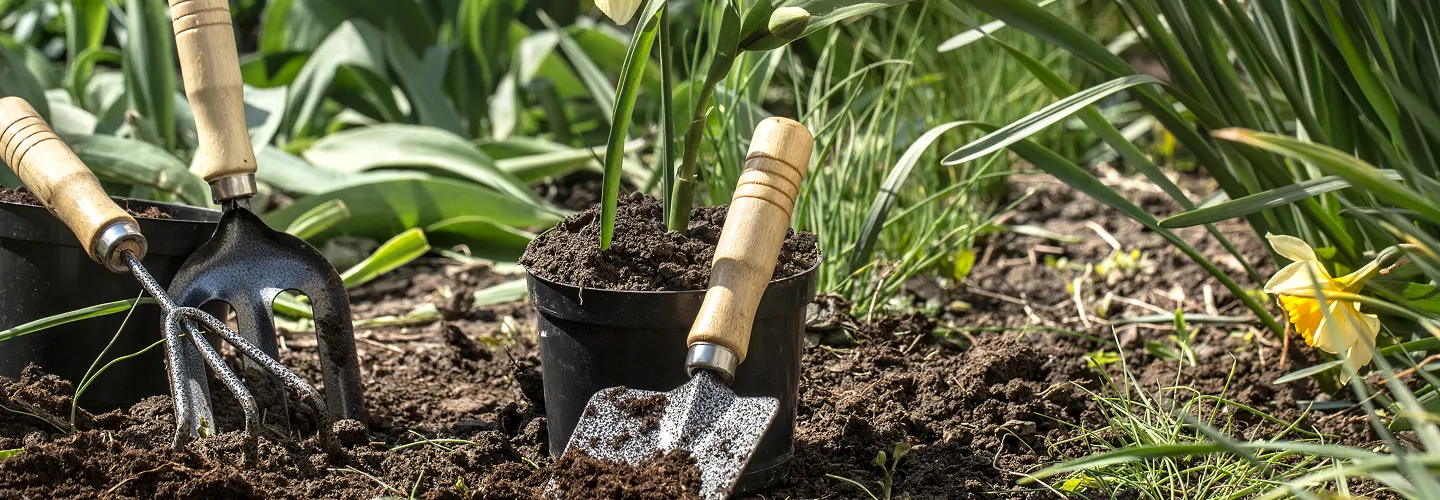
North Gateway Plant Removal Services
Choose our plant removal services for expert care, fast turnaround, and environmentally responsible disposal—ensuring your property stays beautiful and hassle-free.
Get a Free QuoteOur North Gateway Landscaping & Yard Care Services
When to Schedule Plant Removal in North Gateway, Arizona – Seasonal Guide
In North Gateway, Arizona, the timing of plant removal is crucial for maintaining healthy landscapes and ensuring long-term curb appeal. The region’s unique climate—marked by hot, dry summers and mild winters—means that the best periods for plant removal are typically late fall through early spring. This window avoids the peak heat and drought conditions of summer, reducing stress on your soil and surrounding vegetation. Neighborhoods near the Sonoran Preserve and along North Valley Parkway often experience microclimates, so it’s important to consider local shade coverage and soil composition when planning removal projects.
Environmental factors such as frost dates, which usually occur between late December and early February, can impact the ease and success of plant removal. Areas with dense shade, like those near the Adobe Dam Regional Park, may retain moisture longer, affecting root systems and removal difficulty. For more information on local environmental guidelines, visit the Sudbury town resources. Below are key local factors to consider when scheduling plant removal in North Gateway:
Local Factors to Consider for Plant Removal in North Gateway
- Tree and shrub density in your yard or neighborhood
- Terrain type (rocky, sandy, or clay-heavy soils)
- Seasonal precipitation and drought risk
- Proximity to protected areas or municipal restrictions
- Shade coverage from nearby structures or mature trees
- Recent frost dates and humidity levels
- Accessibility for removal equipment
Benefits of Plant Removal in North Gateway
Enhanced Curb Appeal
Improved Plant Health
Reduced Pest Infestation
Increased Usable Space
Efficient Landscape Maintenance
Professional and Safe Removal
North Gateway Plant Removal Types

Tree Removal
-
Shrub Removal
-
Stump Grinding
-
Invasive Species Removal
-
Root System Extraction
-
Hedge Clearing
-
Groundcover Removal
Our Plant Removal Process
Site Evaluation
Preparation and Safety Measures
Plant Extraction
Debris Removal
Site Restoration
Why Choose North Gateway Landscape Services
-
North Gateway Homeowners Trust Us
-
Reliable Lawn Maintenance
-
Competitive Pricing
-
Professional Team
-
Satisfaction Guarantee
-
Personalized Service
-
Timely Project Completion
Coordinating Plant Removal Disposal and Site Cleanup in North Gateway
Plant removal in North Gateway requires coordination with City of Phoenix municipal services, particularly for proper disposal of organic debris generated during the process. The City of Phoenix Public Works Department oversees bulk collection and green waste handling, including vegetation removed from residential and commercial properties. Property owners and managers should verify current bulk pickup schedules and accepted material types before placing plant debris curbside, as oversized root balls, soil-laden material, and chemically treated vegetation may require separate disposal routing through approved transfer stations.
- Confirm whether removed plant material qualifies for curbside green waste collection or requires hauling to a designated facility
- Keep removed vegetation, root masses, and loose soil away from storm-drain inlets, curb openings, and adjacent wash corridors
- Coordinate timing of large-scale plant removal projects with scheduled bulk collection windows to avoid code compliance issues
When plant removal occurs near public rights-of-way, drainage easements, or flood-control channels, the City Engineer Department should be consulted regarding grading disturbance and stormwater flow impacts.
Phoenix Public Works Department
Official Website: Phoenix Public Works
Phoenix City Engineer Department
Official Website: Phoenix City Engineer
How North Gateway's Desert Soils and Heat Affect Plant Removal Operations
North Gateway sits within the Phoenix metro low-desert environment, classified under USDA Hardiness Zone 9b to 10a, where extreme summer temperatures regularly exceed 110°F and annual rainfall averages under eight inches. These conditions directly influence plant removal logistics and site stabilization requirements. Soils throughout the area commonly feature alkaline sandy loam over caliche hardpan, with many newer subdivisions built on compacted fill material imported during grading. Root systems of established desert plants such as palo verde, mesquite, and oleander often extend laterally through decomposed granite layers and penetrate caliche fractures, making extraction more labor-intensive than in loam-based soils.
- Caliche layers may require mechanical breaking to fully extract deep taproots and prevent regrowth from retained root fragments
- Alkaline soil pH (commonly 7.5–8.5) can slow decomposition of residual root material left in the ground
- Monsoon-season storms between July and September generate intense runoff that can erode exposed soil where plants have been removed
- Reflected heat from block walls, concrete driveways, and decomposed granite surfaces accelerates desiccation of disturbed soil, increasing dust and erosion risk
Property owners should plan for immediate site stabilization after removal, whether through replacement planting, gravel cover, or erosion blankets, to prevent sediment migration into nearby washes and retention basins.
Navigating North Gateway's Regulatory Requirements for Plant Removal Projects
Plant removal in North Gateway falls under several overlapping regulatory frameworks at the city and state level. The City of Phoenix zoning code may impose landscape requirements on commercial properties and multifamily developments, meaning that removing established plants could trigger a need for replacement plantings to maintain compliance. Property managers should verify current zoning landscape standards through the Planning and Zoning Division before removing significant vegetation from street-facing frontages or required landscape setback areas.
- Removal of noxious weeds listed by the Arizona Department of Agriculture is generally encouraged and may be required on agricultural or undeveloped parcels
- Any chemical treatment used during or after plant removal must be applied by individuals holding valid credentials under Arizona's pesticide licensing program
- Stormwater regulations enforced under the Arizona DEQ Phase II MS4 program require that plant removal activities prevent sediment, soil, and organic debris from entering the municipal storm sewer system
- Properties adjacent to designated washes or flood-control easements should confirm disturbance limits with the City Engineer Department before excavating root zones
Phoenix Planning & Zoning Division
Official Website: Phoenix Planning & Zoning
Timing Plant Removal Around North Gateway's Monsoon Season and Summer Heat
Professional plant removal in North Gateway demands careful scheduling around the area's extreme climate cycles. The optimal window for most removal work falls between October and April, when temperatures are moderate enough for sustained outdoor labor and soil disturbance is less likely to generate excessive dust. Removing plants during the monsoon season (July through September) introduces significant risk: exposed root cavities and bare soil are highly vulnerable to erosion during sudden, high-intensity rainfall events that can deliver over an inch of precipitation in under an hour.
- Schedule root-zone excavation during dry, cooler months to reduce dust generation and allow time for site stabilization before monsoon onset
- Apply temporary erosion controls—such as straw wattles, silt barriers, or gravel cover—immediately after removal if work must occur during the warm season
- Avoid stockpiling removed plant material or excavated soil near curb inlets, retention basins, or wash banks where runoff could transport debris into stormwater conveyance systems
- Inspect the site after the first significant rain event following removal to confirm that stabilization measures are holding and no sediment has migrated off-site
For properties near natural open space or desert preserves, the Environmental Quality and Sustainability Commission provides guidance on environmentally sensitive site management practices that may apply to post-removal restoration.
What Neighborhoods Do We Serve Throughout North Gateway, AZ?
- Fireside at Norterra — Newer subdivision lots with compacted fill soils and decomposed granite yards where invasive plant regrowth and oleander removal are common service needs
- Sonoran Foothills — Properties adjacent to natural desert preserve areas where plant removal must account for slope stability, wash proximity, and native vegetation buffers
- Tramonto — Master-planned community with HOA landscape standards that may require replacement plantings after removing established shrubs or trees from front yards
- Stetson Valley — Large residential lots with mature desert landscaping where deep-rooted mesquite and palo verde removal demands mechanical root extraction through caliche layers
- Norterra — Mixed-use area with commercial and residential parcels where plant removal near rights-of-way and retention basins requires coordination with city drainage standards
- Desert Hills — Semi-rural properties on larger acreage where brush-type plant removal and site clearing may involve significant hauling logistics and disposal coordination