
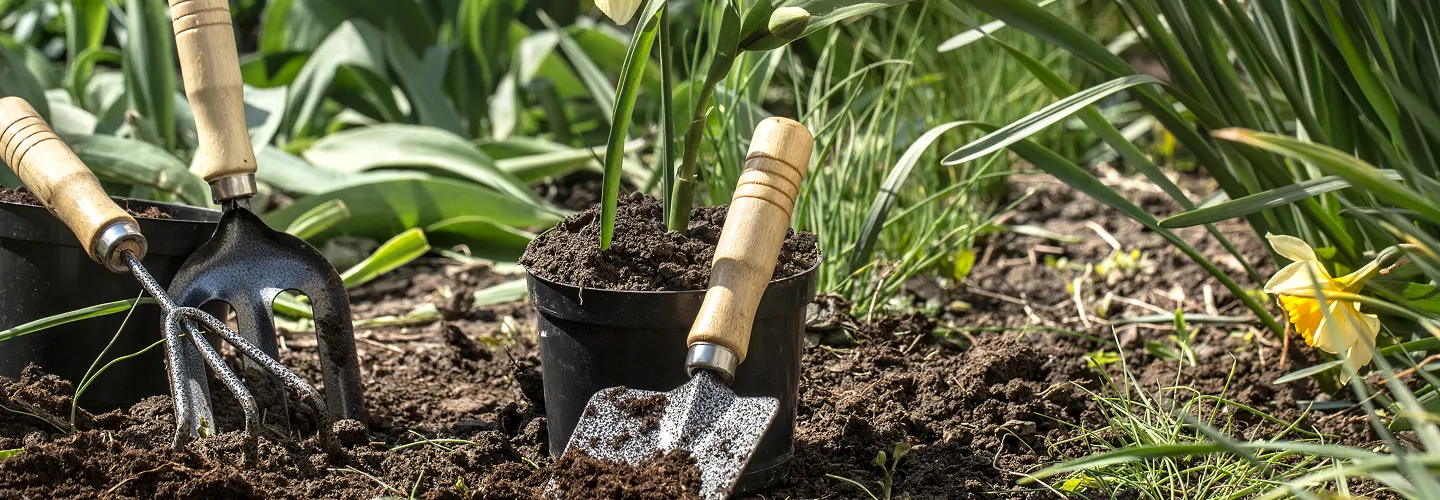
North Gateway Flower Bed Maintenance Services
Choose our Flower Bed Maintenance for expert care that keeps your garden healthy, colorful, and thriving all season long—so you can enjoy stunning flower beds without the hassle.
Get a Free QuoteOur North Gateway Landscaping & Yard Care Services
When to Schedule Flower Bed Maintenance in North Gateway, Arizona – Seasonal Guide
In North Gateway, Arizona, the timing of flower bed maintenance is crucial for ensuring vibrant, healthy landscapes throughout the year. Due to our unique Sonoran Desert climate, with its hot summers, mild winters, and sporadic rainfall, the best periods for maintenance are typically early spring (late February to April) and late fall (October to early December). These windows allow for planting, pruning, and soil amendments before the extremes of summer heat or winter chill set in.
Local neighborhoods such as Anthem and Tramonto often experience microclimates influenced by elevation, proximity to the New River Wash, and varying shade from mature mesquite and palo verde trees. Homeowners should also consider North Gateway’s average last frost date in early March and the increased drought risk during late summer. Soil in this region tends to be alkaline and well-draining, which impacts fertilizer and mulch choices. For more information on local environmental guidelines, visit the Sudbury municipal resource.
Local Factors to Consider for Flower Bed Maintenance in North Gateway
- Tree density and shade coverage from native species
- Soil type (alkaline, sandy, or rocky)
- Annual precipitation patterns and monsoon season timing
- Proximity to washes or flood-prone areas
- Municipal water use restrictions
- Terrain slope and drainage characteristics
- Neighborhood-specific HOA landscaping guidelines
Benefits of Flower Bed Maintenance in North Gateway
Enhanced Curb Appeal
Weed and Pest Prevention
Healthier Plant Growth
Seasonal Color Variety
Professional Landscape Expertise
Time and Effort Savings
North Gateway Flower Bed Maintenance Types

Seasonal Mulching
-
Weed Control
-
Soil Amendment
-
Pruning and Deadheading
-
Fertilization
-
Pest and Disease Management
-
Irrigation System Monitoring
Our Flower Bed Maintenance Process
Site Evaluation
Weed Removal
Soil Preparation
Plant Care
Mulching
Why Choose North Gateway Landscape Services
-
North Gateway Homeowners Trust Us
-
Reliable Lawn Maintenance
-
Competitive Pricing
-
Professional Team
-
Satisfaction Guarantee
-
Personalized Service
-
Timely Project Completion
Coordinating Flower Bed Maintenance with North Gateway's Municipal Programs and Services
North Gateway, situated in the rapidly developing northern corridor of Phoenix, falls under the City of Phoenix's municipal framework for landscape maintenance and green waste management. Residents and property managers maintaining flower beds should be aware that organic debris generated from bed cleanups—including spent annuals, pulled weeds, and trimmed perennials—must be handled in accordance with the city's bulk trash and green waste collection procedures. The City of Phoenix Public Works Department oversees curbside collection schedules and accepted materials for residential green waste disposal. Property owners should verify current pickup windows and container requirements before placing bed maintenance debris at the curb.
- Separate green waste from general refuse and place it according to city collection guidelines
- Keep flower bed trimmings, soil, and mulch out of street gutters, curb inlets, and storm drains
- Commercial properties and HOA-managed common areas may require private hauling arrangements rather than residential curbside service
- Contact the Parks and Recreation Department for guidance on flower bed standards in public-facing parkways or medians adjacent to residential lots
Phoenix Public Works Department
200 W. Washington St., Phoenix, AZ 85003
Official Website: Phoenix Public Works
Phoenix Parks & Recreation Department
200 W. Washington St., Phoenix, AZ 85003
Official Website: Phoenix Parks & Recreation
How North Gateway's Desert Heat and Alkaline Soils Affect Flower Bed Health
North Gateway sits squarely in the low Sonoran Desert, classified within USDA Hardiness Zone 10a, where summer temperatures routinely exceed 110°F and annual rainfall averages under eight inches. These conditions impose specific pressures on flower bed maintenance that differ substantially from temperate climates. Soils throughout the area tend to be highly alkaline, often registering pH levels above 8.0, with caliche layers or compacted subdivision fill common in newer developments. According to the USDA Web Soil Survey, much of the North Gateway corridor features sandy loam and decomposed granite profiles with low organic matter content.
- Extreme heat exposure: South- and west-facing beds adjacent to block walls or concrete can experience reflected surface temperatures exceeding 150°F, accelerating moisture loss and stressing shallow-rooted annuals
- Alkaline and calcareous soils: Iron chlorosis is common in flower beds where soil pH locks out micronutrients; sulfur amendments or chelated iron applications may be necessary
- Caliche and compacted fill: Newer subdivisions often have compacted engineered fill that restricts root penetration and drainage, requiring soil preparation before planting
- Monsoon runoff: Intense summer storms can wash out mulch, displace emitters, and erode bed edges, particularly on sloped lots or properties near washes and retention basins
The Arizona Department of Water Resources provides landscaping guidance that emphasizes hydrozoning and efficient irrigation design—both critical considerations for maintaining flower beds in this environment.
Navigating North Gateway's Stormwater and Pesticide Regulations for Flower Beds
Flower bed maintenance in North Gateway must comply with several regulatory layers at the city, state, and federal levels. The City of Phoenix operates under a Phase II Municipal Separate Storm Sewer System (MS4) permit, which means that sediment, fertilizer, pesticide residue, and organic debris from landscape maintenance must not enter the municipal storm drain system. The Arizona DEQ stormwater program and the federal Clean Water Act establish the framework for these protections.
- Any commercial applicator applying herbicides or pesticides in flower beds must hold a valid license through the Arizona Department of Agriculture
- Fertilizer and soil amendment runoff must be prevented from reaching curb inlets, washes, or retention basins
- Properties adjacent to designated washes or flood-control channels may face additional restrictions on grading, planting, or chemical application near drainage corridors
- The city's Environmental Quality and Sustainability Commission provides guidance on pollution prevention practices relevant to residential and commercial landscape operations
Phoenix Environmental Quality & Sustainability Commission
200 W. Washington St., Phoenix, AZ 85003
Official Website: Phoenix Environmental Quality & Sustainability Commission
Timing Flower Bed Maintenance Around North Gateway's Monsoon and Planting Seasons
Professional flower bed maintenance in North Gateway follows a seasonal rhythm dictated by the region's extreme climate. Proper timing of each maintenance task directly affects plant survival, water efficiency, and bed longevity.
- Fall planting window (October–November): The primary season for installing cool-season annuals such as petunias, snapdragons, and pansies; soil temperatures have dropped enough for root establishment before winter
- Spring transition (March–April): Remove spent cool-season flowers and prepare beds for warm-season plantings such as vinca, lantana, and zinnias before sustained heat arrives
- Deadheading and cleanup: Perform regularly throughout the growing season to redirect plant energy and reduce organic litter that attracts pests
- Mulch inspection and replenishment: Check mulch depth after each monsoon event (typically July–September) and replenish where washout has occurred; maintain a consistent layer to moderate soil temperature and conserve moisture
- Irrigation emitter checks: Inspect drip emitters monthly during summer and after major storms to ensure uniform coverage and prevent dry spots or overwatering
- Weed suppression: Apply pre-emergent treatments before the late-winter and pre-monsoon weed flushes; hand-pull weeds near drip lines to avoid herbicide contact with ornamental roots
Soil amendments such as compost or sulfur should be incorporated during planting transitions when beds are already being turned. Avoid major bed disturbance during peak summer heat, as exposed soil loses moisture rapidly and transplant shock is severe.
What Neighborhoods Do We Serve Throughout North Gateway, AZ?
- Fireside at Norterra: Master-planned community with HOA-maintained common areas and individual lots featuring desert-adapted flower beds that require consistent emitter maintenance and mulch management in exposed front yards
- Sonoran Foothills: Properties on sloped desert terrain where flower bed runoff control and erosion prevention are essential, particularly during monsoon season
- Tramonto: Established subdivision with mature landscape beds that benefit from seasonal replanting, soil amendment, and irrigation audits to address aging drip systems
- Stetson Valley: Large-lot homes with south- and west-facing beds adjacent to block walls, where reflected heat intensifies moisture loss and demands heat-tolerant species selection
- Norterra: Mixed residential and commercial area where flower bed maintenance must account for high-visibility frontage standards and coordinated HOA landscape guidelines
- Valley Vista: Newer development with compacted subdivision fill soils that often require soil preparation and drainage correction before flower beds perform reliably